There’s always a part of life that nobody can predict.
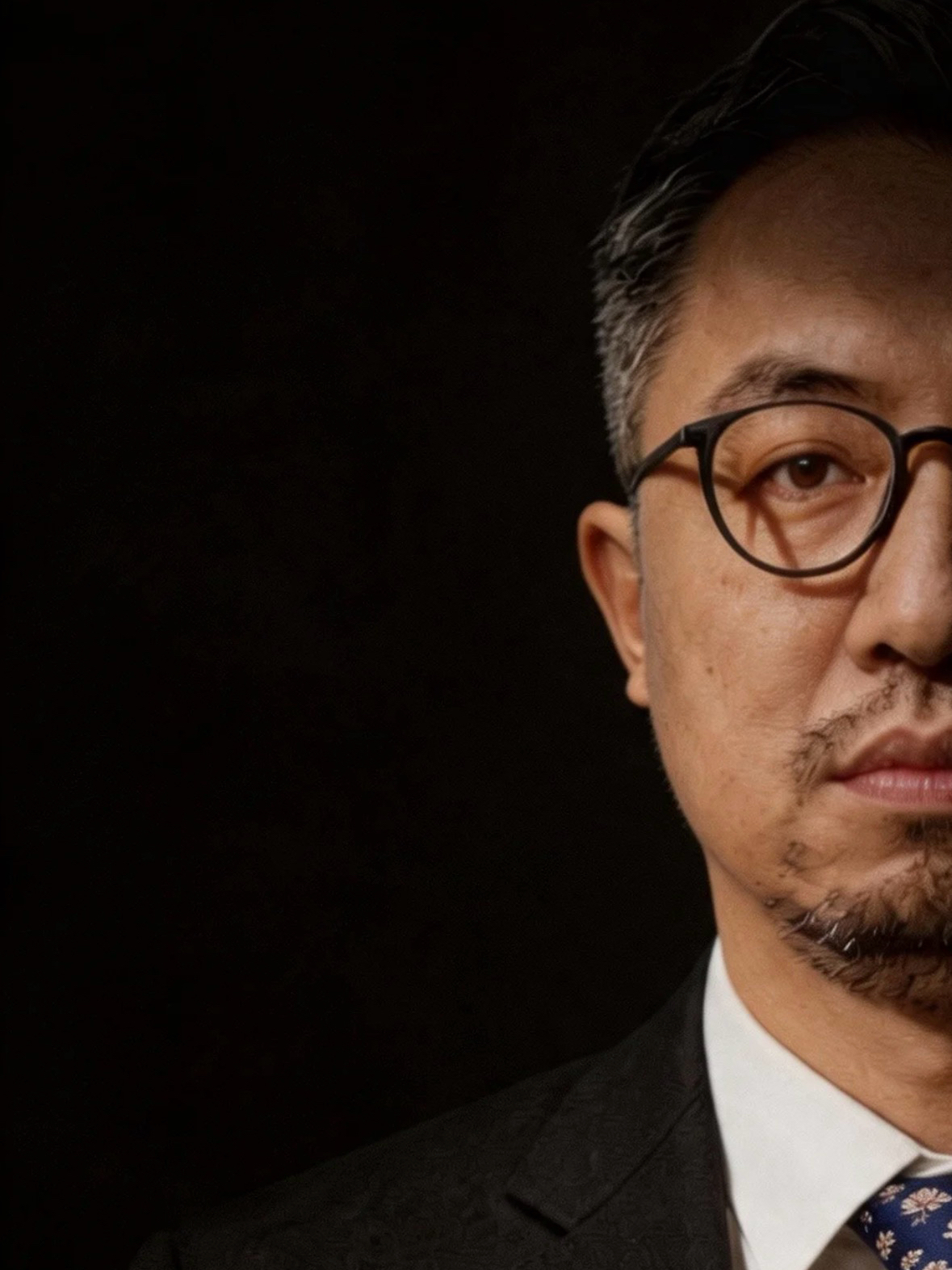
For Tan Xiaozheng, that moment arrived suddenly in 2016, when he was diagnosed with acute transient psychotic disorder and depression.
The time he spent in a psychiatric hospital was the lowest point of his life. Locked wards, medication, racing thoughts, and the feeling of losing control over his own mind. Even his sense of dignity seemed stripped away.
But strangely, those extreme experiences didn’t break him.
Instead, they awakened something simple and powerful: he didn’t want to become a broken person. More than anything, he wanted to feel normal again.
Every step after leaving the hospital became part of a years-long journey of self-healing and rebuilding.
2017–2019: Rebuilding from the Rubble
As soon as he was discharged, Tan threw himself back into work. He wanted to prove—to himself more than anyone else—that he still had value.
Between 2017 and 2018, he traveled constantly between Chengdu and Beijing, organizing animation investment roadshows.
By 2018, his company had reopened and was operating again.
At the end of 2018 and into early 2019, he made three separate trips to Shenzhen, paying out of pocket to attend IP and branding programs in order to recharge and relearn.
Then came 2019.
He landed a major brand-upgrade project for one of Chengdu’s leading food companies.
That same year, the Chinese animated blockbuster Ne Zha became a nationwide phenomenon. As one of the first-generation animation graduates from the Central Academy of Fine Arts and someone who had spent years promoting Chengdu’s animation industry, he felt an enormous sense of relief.
For the first time in years, it seemed like the world was finally catching up to a dream he had never stopped believing in.
2020–2022: Pandemic, Isolation, and Learning to Connect Again
Just as hope was returning, the pandemic hit.
Tan had always been a solo entrepreneur, running a one-person company for most of his career. During COVID, business slowed to a crawl. Debt piled up. Income disappeared.
At his lowest point in 2020, he turned his emotional struggles into a creative project.
That project became Black Rabbit & Pink Pig, a four-panel comic series that eventually grew into more than 200 episodes.
The stubborn Pink Pig and the realistic Black Rabbit became symbolic versions of himself—characters through which he could process anxiety, loneliness, and hope.
But creativity alone wasn’t enough.
By 2022, years of isolation and psychological pressure had left him feeling disconnected from people.
So he made an unusual decision.
He became a local lifestyle blogger on Xiaohongshu.
He visited cafés, bars, and hidden corners of the city. He forced himself into conversations with strangers. To outsiders, it looked like content creation.
To him, it was rehabilitation.
He was training himself to be social again.
He was learning how to be part of the world.
2023–2025: Reinvention Through Silence and Survival
After pandemic restrictions ended, the market remained quiet.
In 2023, Tan returned to the art world and officially relaunched Backwall, an independent arts media project he had originally founded years earlier.
Instead of writing distant academic criticism, he focused on something simpler:
real people.
Artists trying to survive.
Creators searching for meaning.
Ordinary stories behind exhibitions.
But transformation takes time, and bills still need to be paid.
To keep himself moving—and to avoid falling back into depression—he let go of any attachment to status.
He rented out rooms.
Worked in restaurant kitchens.
Drove ride-share cars.
Sold insurance.
He did whatever was necessary.
In those years, he met countless ordinary people who were struggling just as hard as he was.
And that changed him.
In 2025, he officially dissolved the company he had operated since 2011.
After more than a decade, he chose to say goodbye.
No bitterness.
No drama.
Just gratitude and a lighter backpack for the road ahead.
2026: Using AI to Navigate Uncertainty
Then came AI.
While many people were afraid of it, Tan wasn’t.
After surviving hospitalization, debt, career setbacks, and years of uncertainty, AI didn’t feel threatening.
It felt like a tool.
A teammate.
Using AI, he began rebuilding and organizing the work of the last twenty years.
Through Tanxiaozheng.com, he started digitizing the archives of Dongkoh, founded in 2004, and Backwall, founded in 2005.
Years of interviews, industry observations, creative projects, and intellectual property were given new life.
People in the art world often joke:
“Backwall never stops.”
“Tan works too hard.”
What they rarely see is the fear underneath.
Ever since leaving the hospital, he has carried one quiet fear:
What if one day I lose myself again?
The constant writing.
The endless organizing.
The relentless publishing.
In many ways, they are not just work.
They are a survival system.
A backup drive for memory, reason, and meaning.
A way of preserving his connection to the world.
Chengdu Art Calendar:
A Simple Way to Support the Exhibitions You Love
All of those experiences eventually led to something practical.
Something useful.
Something built by one person with the help of AI.
The Chengdu Art Calendar mini-program is now live.
No complicated registration.
No unnecessary steps.
Just open it and use it.
Browse exhibitions by date.
Get directions with one tap.
Save the shows you love.
The app automatically ranks exhibitions based on how many people have bookmarked them, turning every simple “favorite” into a vote of support for local art.
No lectures.
No gatekeeping.
Just a simple tool for discovering exhibitions and connecting people with culture.
Search for “Chengdu Art Calendar” on WeChat and start tracking your next exhibition visit.
As long as the lights come back on, every step forward counts.
Every step is part of the journey.
发表回复